
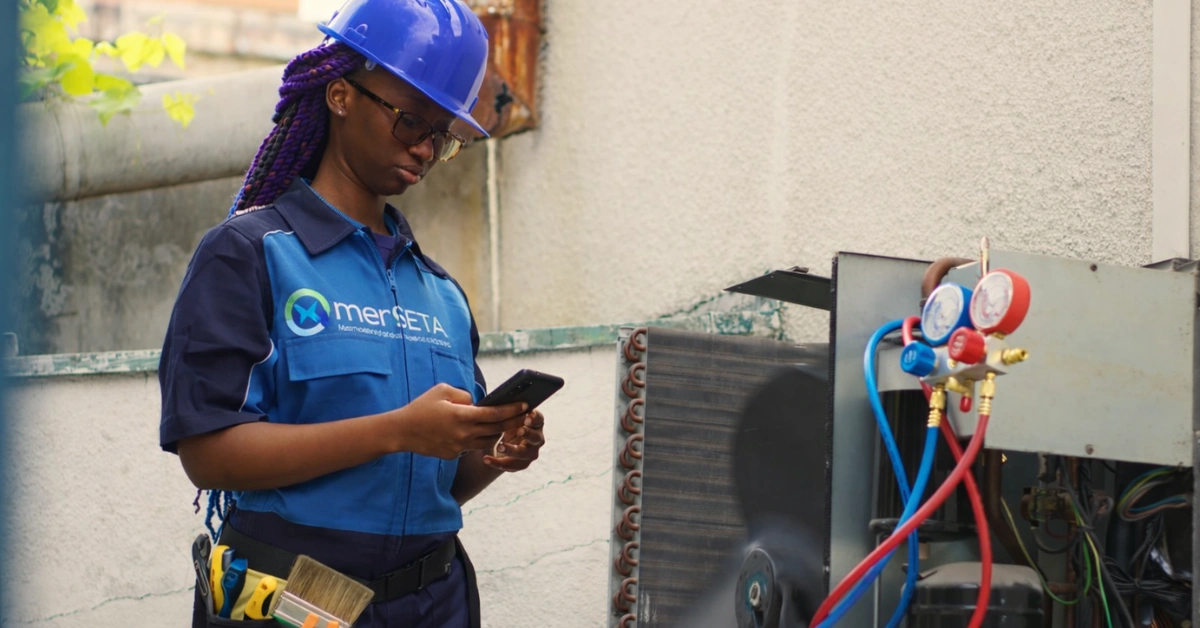
Thousands of electricians across South Africa have learned their trade through years of practical work—but many still lack the formal certification needed to unlock better-paying opportunities.
In 2026, that could change.
Northlink TVET College has opened applications for a merSETA-funded Electrical Artisan Learnership, giving experienced but uncertified electricians the chance to convert their real-world skills into a nationally recognised trade qualification.
The programme uses the Artisan Recognition of Prior Learning (ARPL) process to evaluate existing experience and guide candidates toward completing the official electrical trade test.
Even better, the programme is fully funded, meaning successful applicants will not pay any tuition fees.
However, applicants must act quickly. Applications close on 31 March 2026.
What Is the merSETA Electrical Artisan Learnership?
Unlike traditional apprenticeships that can take several years, this programme focuses on recognising and validating the skills electricians already have.
The learnership is designed for individuals who have significant hands-on electrical experience but no formal trade certificate.
Through the ARPL process, candidates can convert their workplace knowledge into a recognised qualification.
How the ARPL Process Works
The programme follows a structured pathway to certification:
1. Skills Assessment
Your existing electrical work experience is evaluated through documentation and competency assessments.
2. Gap Training
If there are areas where additional knowledge is required, targeted training will be provided.
3. Trade Test Preparation
Participants receive support and preparation to successfully complete the official electrical trade test.
4. Final Certification
Once the trade test is passed, candidates receive a National Trade Certificate as a qualified electrician.
In simple terms, experience opens the door—certification opens the career.
Programme Overview
| Detail | Information |
|---|---|
| Institution | Northlink TVET College |
| Funding Body | merSETA |
| Programme | Electrical Artisan Learnership |
| Qualification Outcome | National Trade Certificate (Electrician) |
| Training Method | Artisan Recognition of Prior Learning (ARPL) |
| Cost | Fully Funded |
| Application Method | Email Application |
| Application Deadline | 31 March 2026 |
| Country | South Africa |
The programme helps skilled workers formalise their expertise and gain recognition within South Africa’s regulated electrical trade sector.
Why This Learnership Matters
South Africa faces a significant shortage of formally certified artisans, particularly in electrical trades.
Many experienced workers have learned the trade through:
- Informal workplace training
- On-the-job learning
- Years of practical experience
However, without official certification, their skills often go unrecognised by employers.
This learnership helps address that challenge.
Key Benefits of the Programme
Participants gain several important advantages:
- A nationally recognised electrical trade qualification
- No tuition costs, funded by merSETA
- Recognition of existing workplace experience
- Improved job prospects and career advancement
- Eligibility for higher-paying electrical positions
For many electricians, this programme can transform years of informal work into a stable professional career.
What You Will Learn and Develop
Although the programme focuses on recognising existing experience, participants may still receive targeted training to strengthen specific technical areas.
Training may include:
Electrical Systems and Installation
Learners will demonstrate their ability to install, maintain, and troubleshoot electrical systems used in residential, commercial, and industrial environments.
Safety and Compliance
Electrical work must comply with strict safety regulations.
Participants will develop knowledge of:
- Electrical safety procedures
- Regulatory compliance requirements
- Risk management in electrical installations
These skills ensure electricians can work safely and professionally.
Fault Finding and Troubleshooting
Experienced electricians must be able to identify and repair faults efficiently.
This includes:
- Diagnosing electrical problems
- Repairing faulty wiring or equipment
- Testing electrical systems
Trade Test Preparation
The final step of the programme prepares participants for the official electrical trade test, which confirms their competence and awards the National Trade Certificate.
Who Can Apply?
Because the programme fast-tracks experienced workers toward certification, it has specific eligibility requirements.
Applicants must already have meaningful electrical work experience.
Minimum Requirements
Candidates must meet the following criteria:
- Age: At least 19 years old
- Experience: Minimum 3 years of electrical work experience
- Employment Status: Must currently be unemployed
- Work Experience Location: Experience must be gained in South Africa
Applicants must also provide proof of experience through official documentation from previous employers.
Documents Required for Application
Applicants must submit a complete digital application package when applying.
Ensure that all documents are prepared and properly certified.
Required Documents
Applicants must include:
- Updated Curriculum Vitae (CV)
- Service letters confirming at least 3 years of electrical work experience
- Certified copy of South African ID (not older than 3 months)
- Certified copy of highest qualification
Service letters are particularly important, as they confirm the candidate’s practical electrical experience.
Incomplete applications may be automatically disqualified.
How to Apply for the Northlink Electrical Learnership
Applications for this programme must be submitted via email.
Follow the process carefully to ensure your application is considered.
Step-by-Step Application Process
- Prepare all required documents
- Ensure documents are certified within the last three months
- Convert documents into PDF format
- Attach them to a single email application
Application Email
Send your application to:
Email: [email protected]
Attention: Marjorie Hartog
Application Deadline
The closing date for applications is 31 March 2026 at 16:00.
Because the programme is funded through merSETA, intake numbers are limited.
Applications are processed on a first-come, first-served basis, which means positions may be filled before the official deadline.
Applicants are therefore encouraged to submit their applications early.
Why ARPL Is Becoming Popular in South Africa
Recognition of Prior Learning (RPL) has become an important pathway for skilled workers across many industries.
Many artisans possess years of practical knowledge but lack the documentation required by employers.
ARPL helps solve this problem by:
- Validating existing workplace skills
- Accelerating the qualification process
- Improving employability
- Increasing earning potential
For experienced electricians, ARPL is often the fastest route to becoming a certified artisan.
Career Opportunities After Certification
Once candidates obtain the National Trade Certificate, they can pursue a range of professional opportunities.
Possible career paths include:
- Qualified Electrician
- Industrial Electrician
- Maintenance Electrician
- Electrical Technician
- Electrical Contractor
Certified electricians are also eligible to work on larger projects, government contracts, and regulated electrical installations.
This certification significantly improves both career stability and earning potential.
Final Thoughts
The Northlink TVET College merSETA Electrical Artisan Learnership for 2026 offers experienced electricians a rare opportunity to turn practical skills into a recognised professional qualification.
With no tuition costs, structured trade test preparation, and nationally recognised certification, the programme can open doors to better jobs and long-term career growth.
However, applications close on 31 March 2026 at 16:00.
Electricians who already have years of hands-on experience should prepare their documents and submit their applications early to secure a place in this valuable programme.
